

Take control.
It’s more than skin.
Living with psoriasis is a full-body, full-life experience — and it deserves a full-picture conversation with your healthcare professional.
You’ve learned to manage the itch, the flares, the long sleeves in summer. But managing isn’t the same as being in control. This is a space to understand what’s really happening, and to start a conversation that could change the way you care for yourself.
Prepare for your next appointment
Psoriasis doesn’t just show up on your skin. It shows up everywhere
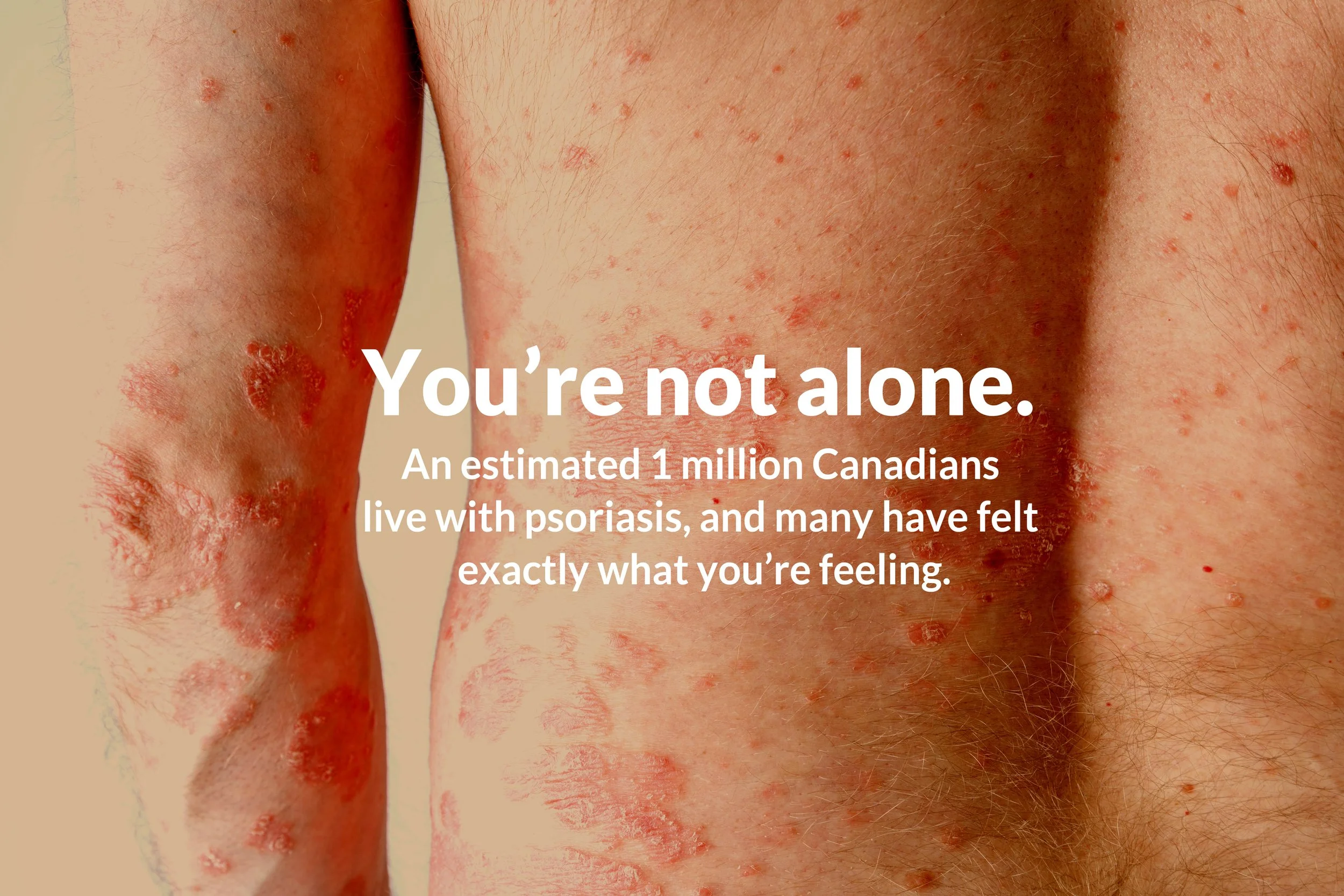
The flare before a wedding. The long sleeves in July. The itch that steals your sleep. The questions you stopped answering because it was easier.
Psoriasis can quietly reshape how you work, love, and move through a day — and too often, we learn to live around it instead of through it.
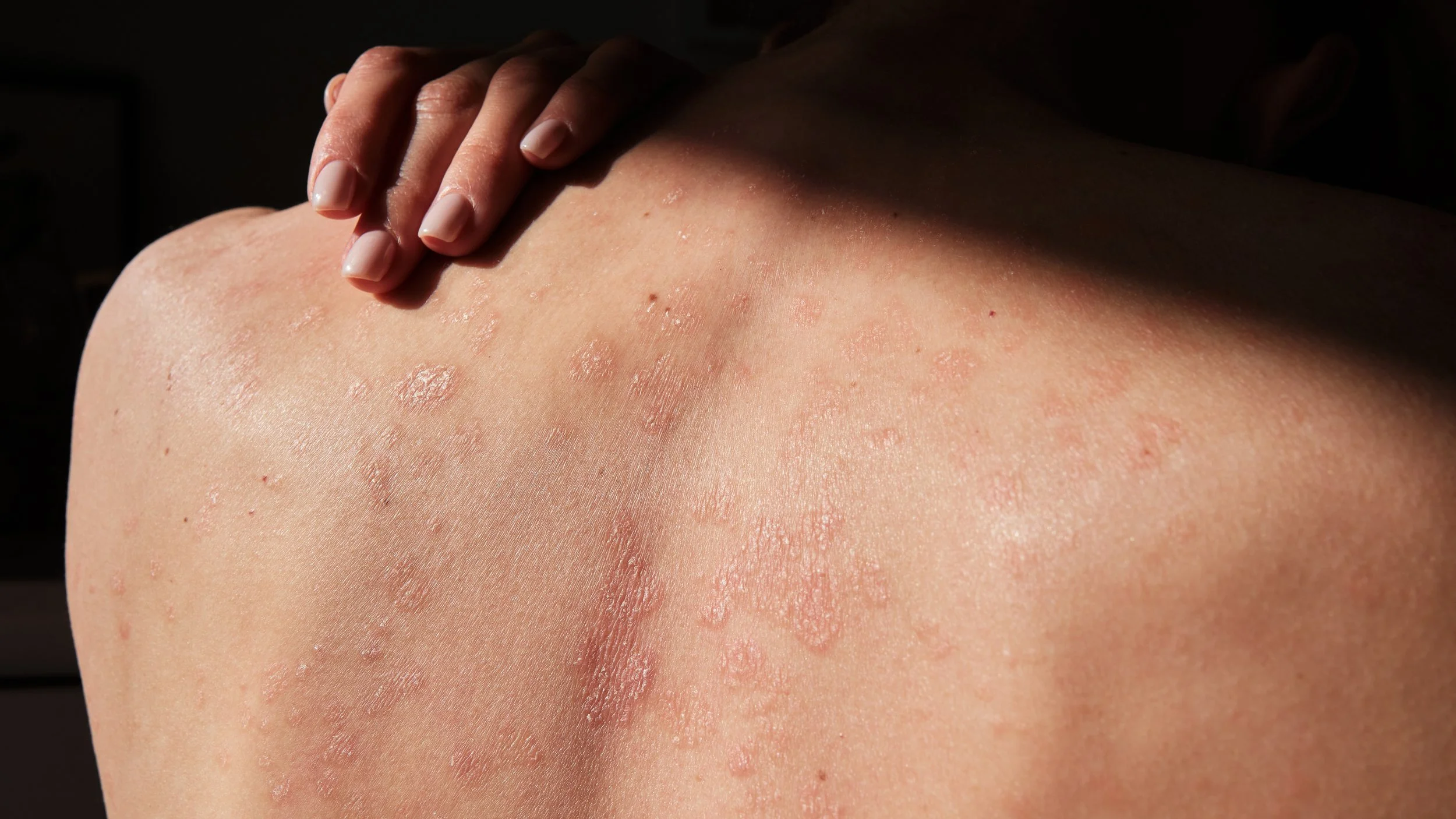
Psoriasis is a chronic autoimmune condition — and it affects more than your skin.
Psoriasis happens when the immune system speeds up the skin’s renewal cycle, creating patches that can be itchy, painful, or scaly. But what you see on the skin is only part of the story.
Psoriasis is also linked to:
Joint pain and stiffness (psoriatic arthritis affects up to 30% of people with psoriasis)
Sleep disruption and fatigue
Anxiety, depression, and reduced quality of life
Cardiovascular and metabolic health considerations
Knowing what’s happening beneath the surface is the first step toward care that sees the whole picture — and toward a conversation where you feel heard.

Why do flares come and go?
Psoriasis can feel unpredictable, but it usually has reasons. Common triggers include:
Stress and major life events
Infections (especially strep throat)
Cold, dry weather
Certain medications
Smoking and alcohol
Skin injuries — even a small scratch
Your triggers are yours alone. Tracking them gently — without turning your life into a spreadsheet — can help you and your healthcare professional build a plan that fits your reality.
TAKE THE LEAD
Three steps toward taking control.
-
Your family doctor, dermatologist, or nurse practitioner can help you explore options, including those that go beyond the surface — and they want your honest input.
-
Learn your type of psoriasis, your likely triggers, and the connections to sleep, joints, mood, and heart health.
-
Your skin is not a measure of your worth. On hard days, small acts of self-kindness are part of treatment too.
Canadian Dermatology Association — dermatology.ca
Psoriasis Canada — psoriasiscanada.ca
Arthritis Society Canada (for psoriatic arthritis) — arthritis.ca
We’ve gathered Canadian organizations, patient groups, and evidence-based information so you don’t have to sift through the noise. Bookmark what helps. Share what resonates.
Trusted Canadian resources,
in one place.

The most important step is the next one.
Book an appointment with your healthcare professional and bring your questions.
You deserve care that sees the whole picture — and you deserve to take the lead in it.
Not sure where to start? Download the conversation guide to bring with you.